Sélection Vosges,
la marque de qualité
pour vos sciages résineux
pour vos sciages résineux
le meilleur de la forêt vosgienne
|
|
|
|
|
Une marque de qualité |
Une gamme large
|
La forêt de montagne
|
||
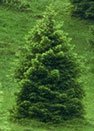
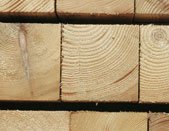
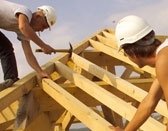
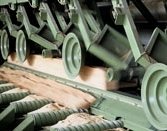
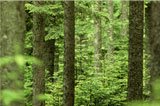
| Le logo Sélection Vosges est le symbole de l'engagement des scieries Sélection Vosges, qui au travers d'une charte stricte, proposent des sciages de qualité, tant au niveau des bois eux-mêmes que de leurs origines. Par leur souplesse, leur proximité et leur qualité de services, les scieries Sélection Vosges sont à même de répondre à tous les besoins des professionnels. | Les scieries Sélection Vosges fabriquent une gamme de produits variés, allant du bois de charpente et de construction (madriers, bastaings, chevrons,...), en passant par le bois séché, traité, raboté ou mouluré (lambris, bardages, parquets,...), jusqu'aux produits à forte valeur ajoutée tels les bois aboutés. | Le bois mis en œuvre par les scieurs provient de la forêt vosgienne, une forêt de montagne. Les résineux y poussent lentement et fournissent ainsi un bois dense et particulièrement robuste, un bois de haute résistance mécanique (idéal pour la charpente et la construction). C'est le plus ancien massif forestier de sapin / épicéa cultivé de France. | ||
 |
 |
 |